Re-Ditus @ Möhkö Ironworks Museum 1.6.–31.8.2025 (12:00–15:00)
Sound artist and project initiator: Jaakko Autio / Composer: Anna Voutilainen-Veijonen Performed by Sawotta Choir: Kaisa Björkbacka, Virva Eskelinen, Juha Hilander, Sarianna Joukainen, Erja Leinonen, Suvi Lyytinen, Auli Mikkonen, Hanna Nurmi, Jaakko Örmälä, Anu Pöntinen, Sonja Reinikainen, Touko Raatikainen, Inka Turunen, Tiina Väätäinen, Konsta Veijonen, Ville Heikkinen / Guest vocalists: Kasper Omenasaari and Reetta Karhunen Saxophone: Anna Voutilainen-Veijonen / Other exhibiting artists: Outi Särkikoski, Touko Hujanen, Lebohang Tlali & Ilkka Virtanen / Curation of the Möhkönvirta contemporary art exhibition: Kari Virtanen, Heidi Vasara, Juha Hanki / Installation: Jaakko Autio, Kari Virtanen & Juha Hanki / Supported by a 6-month working grant from the Arts Promotion Centre Finland.
Re-Ditus is a large-scale, site-specific choral sound installation by Jaakko Autio and composer Anna Voutilainen-Veijonen, performed by the Sawotta Choir. The work explores radical empathy, presence, and communal listening, transforming its shape and atmosphere in each location. In 2025, Re-Ditus was realized both in the historic, nature-reclaimed ruins of Möhkö Ironworks (Ilomantsi) and as a new adaptation for the lakeside Halkosaari Pavilion (Lappeenranta), offering audiences two entirely different but interlinked experiential worlds. The piece is part of Autio’s broader RE series dedicated to the interplay of space, sound, and community in contemporary art.
RE-DITUS
“Re-ditus” is Latin and means return, coming back, or turning back. The prefix “re-” refers to “again” or “back,” while “ditus” is derived from the verb “ire” (to go, to walk).
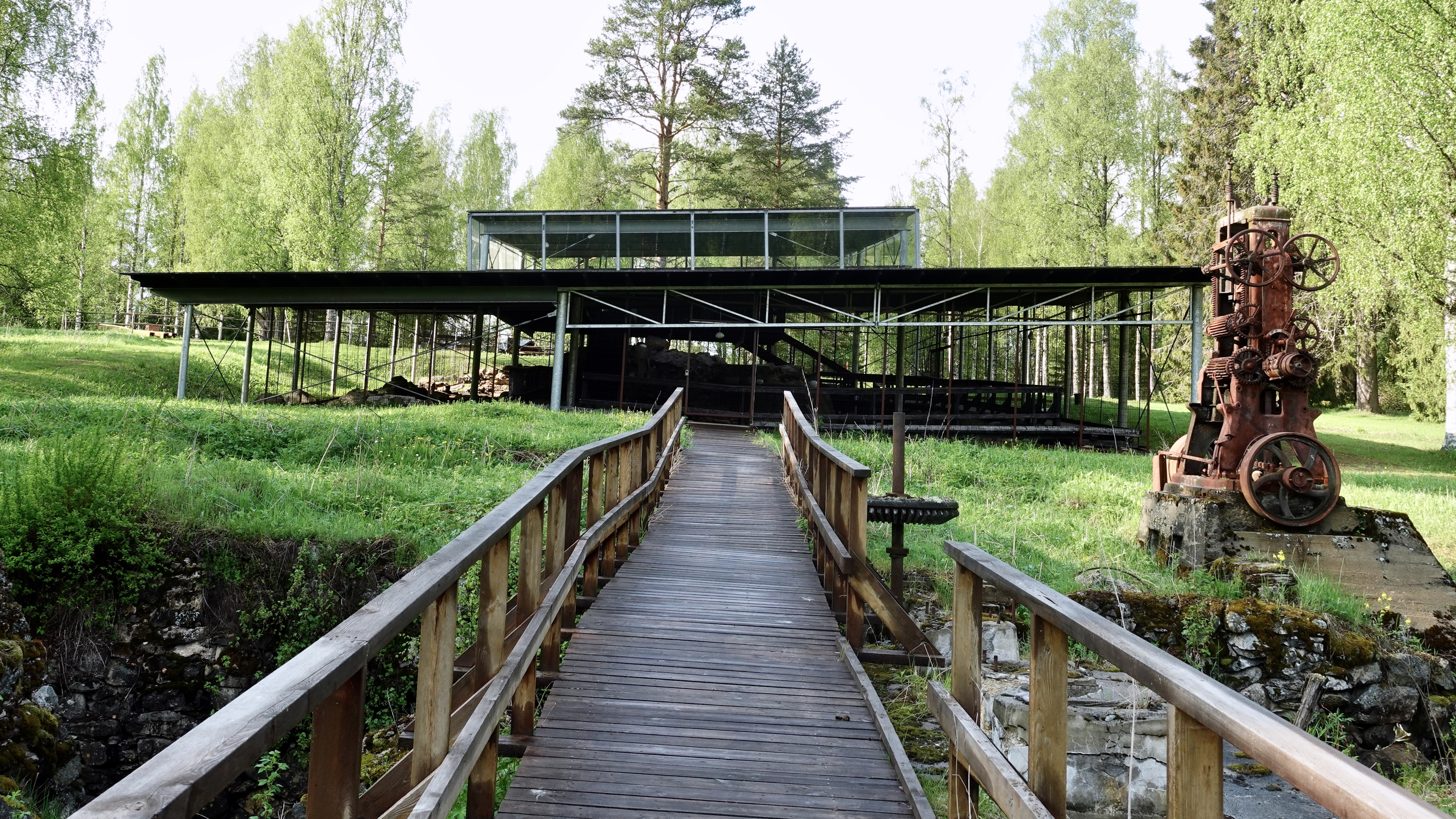
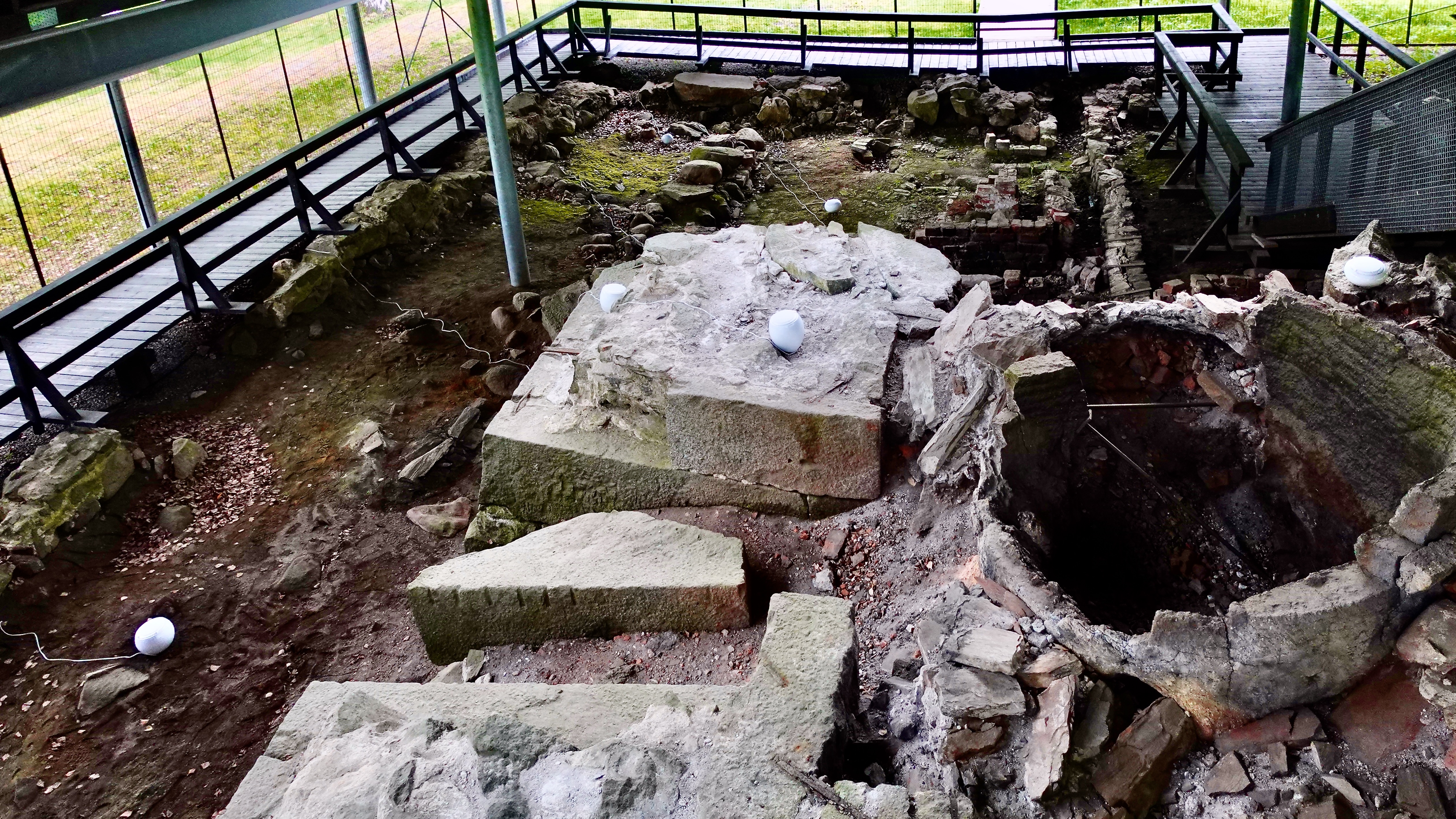
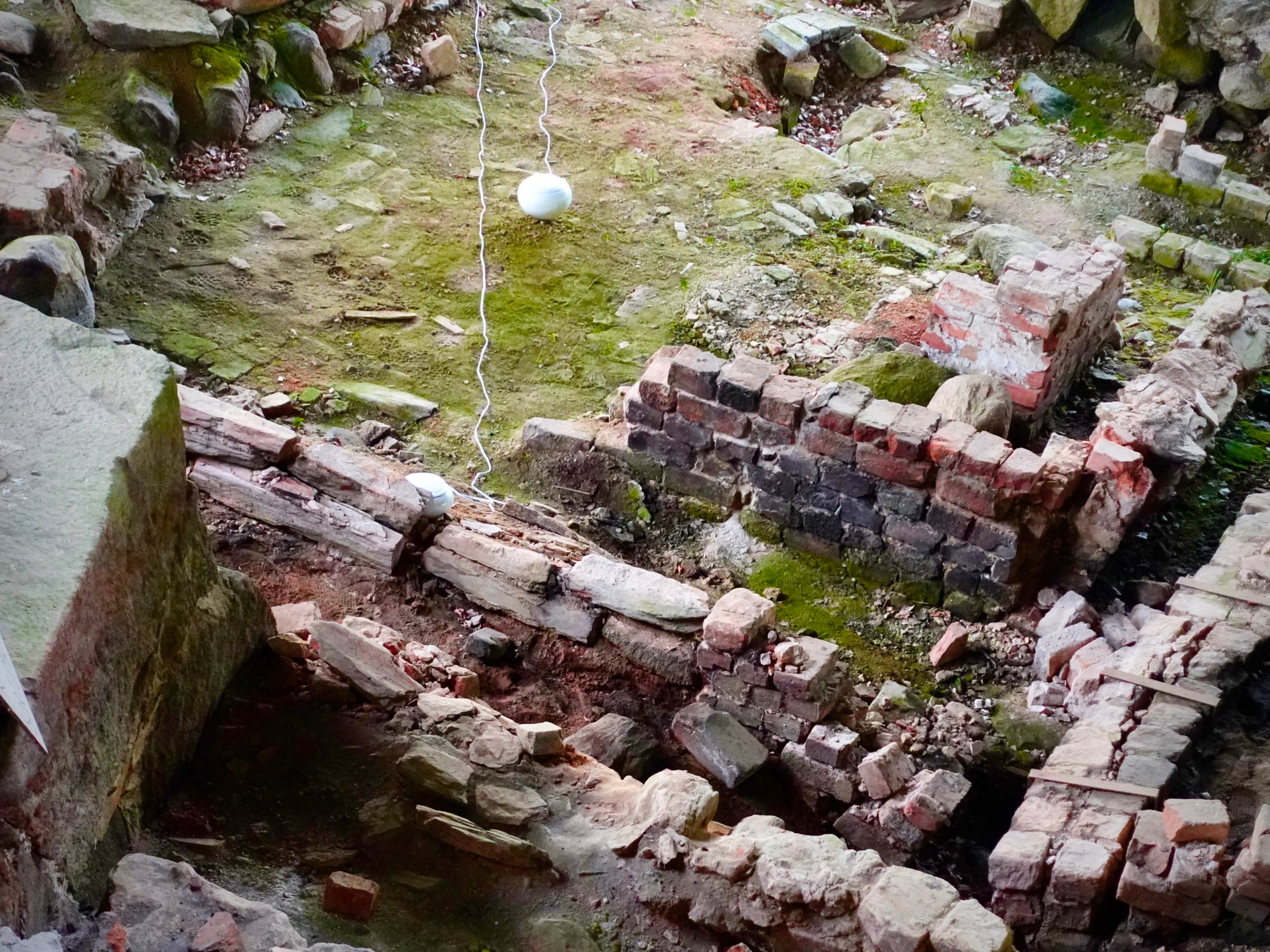
The idea for the work was born at the old ironworks in Möhkö, where nature had reclaimed space once dominated by industry. The silence of the ruins and the moss-covered traces stopped me—a place where the past and present, human imprints and the cycles of nature, intertwined. In these landscapes, I experienced peace and solace and wanted to create a work that would resonate with this timeless experience.
Why now?
We live in a time when news feeds and social media fuel polarization and emotional turbulence. Algorithms reinforce opinion bubbles, and many feel as though they are caught in a storm of noise without a chance to pause. Fear and uncertainty can threaten our sense of security, and human diversity is often seen as a threat rather than a source of richness.
Re-ditus was born from a need to create an alternative: a space where an individual’s voice, silence, and sense of community can emerge without external pressures or confrontation. Among the ruins of Möhkö, the efforts of past generations became tangible—I wanted to create an experience where beauty and peace are present, and where one can truly breathe. I call this a state of radical empathy—a moment of stillness, simply to be and to witness what unfolds.
A Tapestry of Silence and Connection
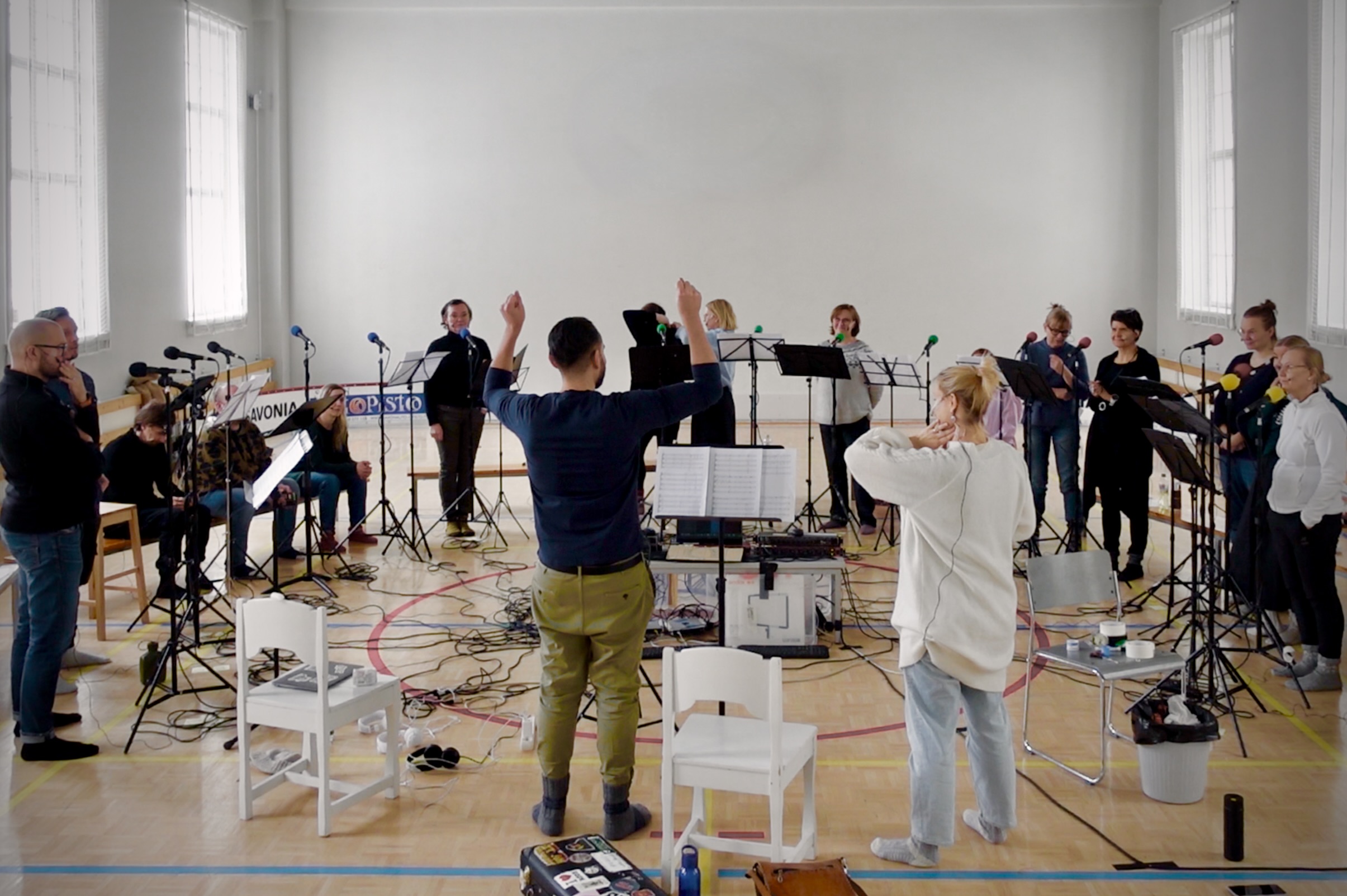
Each member of the Sawotta Choir is mic’d with their own microphone; their voices, breaths, and presences weave a multidimensional tapestry where the boundaries between individual and collective, sound and space, dissolve into a single event. The work breathes between silence and fullness, unfolding from the very moment you enter the space.
The history of the Möhkö ironworks—the ruins of former industry, silence covered in moss, and the return of nature—creates an active backdrop for the work. Here, pure beauty and expression are sought; a place where the burdens of everyday life, such as guilt, fear, and shame, are transcended.
The Continuum of Artistic Thinking
My artistic work is a years-long journey into the questions of radical empathy, community, and belonging. I am interested in how art can strengthen communal bonds and create spaces where different stories and backgrounds can meet. I also want to bring high-level art to Eastern Finland—areas where cultural offerings are more sparse, but where the history and landscape give special meaning to works.
My approach is processual and participatory: I build works together with communities, choirs, and other artists. For me, a sound installation is above all a sensory and shared experience, where the act of listening and human connection are at the heart.
Radical Empathy – Experiential Connection
Radical empathy is not merely an idea or an ideal, but a deeply embodied and experiential state. In my artistic practice, I return again and again to the question: what happens when a person turns inward, listening to music and the event from within? In such a state, it feels as if it is impossible to make a mistake. It is safe to sing “heart to heart,” and in that moment the singers can profoundly comfort, encourage, and empower each other. The touch of another person, true connection, is something I have longed for deeply—and to which art and music offer a way to return again and again.
In a community, miracles often happen: even if one feels despair or sorrow, when it is allowed to surface and be faced, the current of life and the calm presence of the community help everyone to move forward. There is no need to know what to learn—learning and growth occur naturally when there is space to be open and vulnerable. Music, singing, listening, experiencing, and sensing become heightened in such a space. Then trust in oneself, one’s feelings, and courage is strengthened. There is a realization that the longing we seek externally is found within ourselves.
For me, radical empathy means an awareness that each of us has the potential to be beautiful in many ways. This is seen in the way the diverse people around us can be unique and beautiful, in how the arc of life from infant to elder is different for everyone. As singers, they can discover and express manners of singing they never imagined before. I have sought to allow all the flowers to bloom: Re-ditus is a collage of these liberated individuals and their desire to come together, be stronger as a group, and share something essential with one another.
In art, radical empathy is profound presence, through which we can open a connection to each other and the world. It is the ability to take the position of another, to listen and feel, while at the same time connecting with our own inner world. This deeply experiential, root-level empathy is the basic power of art—it is from this that all that is new and meaningful arises. Through music and art, we can create spaces where everyone has the chance to be themselves and part of a larger, supportive community.
The Composer’s Word
Anna Voutilainen-Veijonen
When I started composing Re-ditus, I felt I was confronting a theme both immense and timeless. At first, the subject even felt a bit daunting, but I decided to take it as a challenge and to experiment with different approaches. In this work, it was essential to break away from the traditional dramatic arc and build the piece more as a “mossy carpet,” where ephemerality, experimentation, and interaction are at the core.
Collaborating with Jaakko was especially meaningful to me. We share a similar way of seeing the world—we find beauty, humor, tragedy, and fracture in the same things. Our work was dialogical: we gave each other freedom and space, but also support and feedback. In this way, something was created that neither of us could have imagined alone.
I composed the work directly for the Sawotta Choir, whose members I already knew. This allowed me to write the material specifically for this choir and these singers. It was wonderful to witness how the choir received the material—the warm, safe, and focused atmosphere could be heard in the final result.
For me, both the process and the outcome are always important in composing. I feel that an open and safe atmosphere allows for creativity and the birth of something new—when there is permission to experiment and express oneself, artistic work deepens and becomes richer. The composition for Re-ditus arose out of a shared, multilayered, and experimental process in which every participant influenced the shape and spirit of the work.
RE Series 2025
The RE series explores the significance of space, sound, and community in contemporary art. In 2025, works in the series will be presented at Möhkö Ironworks Museum (Re-Ditus, 1.6.–31.8.), Gallery Villa Suruton in Savonlinna (Re-Floris, 12.6.–16.8.), the House of Kinetic Arts (KITA) in Joutsa (Re-Verb, 28.6.–31.8.), Lappeenranta Riverside Biennale at Halkosaari Pavilion (Re-Ditus, 5.7.–31.8.), and in the autumn at the Aine Art Museum in Tornio (Re-Verb 23.8.–16.11.), MUU Gallery in Helsinki, and Taiteen talo in Turku.
///
Re-Ditus – Chapter II @ Halkosaaren paviljonki, Lappeenranta 5.7.–31.8.2025
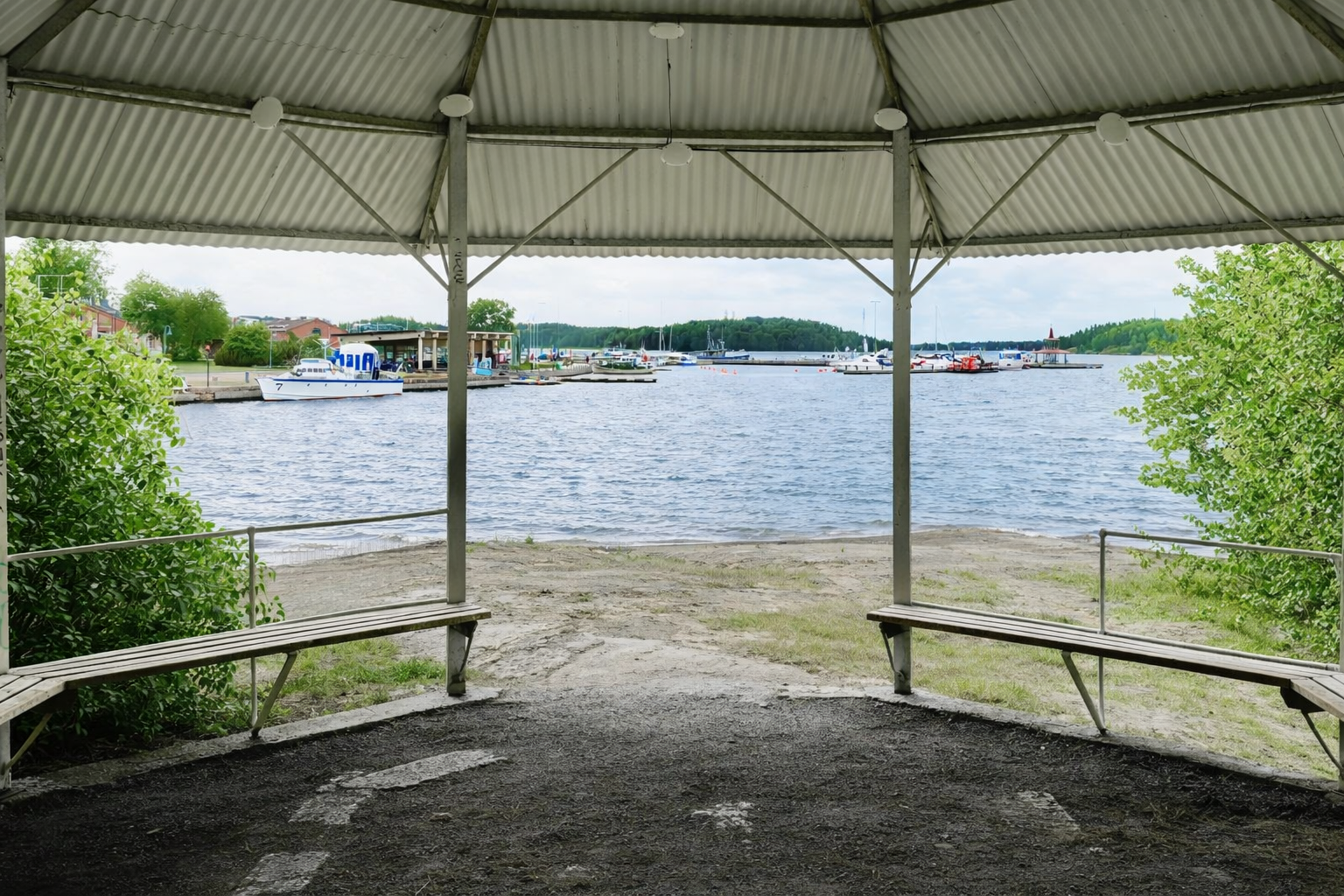
Re-Ditus was presented at the new “Ääres” art event on Lappeenranta’s Riverside Trail, opened to the public July 5, 2025 and running through August. The exhibition, curated and coordinated by Janette Holmström (Etelä-Karjalan Taiteilijaseura), brought together seven contemporary artists: Jaakko Autio, William Dennisuk, Jan Lütjohann, Sanna Kallojärvi, Leena Reittu, Enni Vekkeli, and Susa Walve. The aim was to bring art out of the gallery and into the public space along the shores of Lake Saimaa, creating a free outdoor art experience accessible to all—and to pilot a new contemporary art biennial for the future.
As part of the Ääres event, Re-Ditus resonated from the ceiling of the Halkosaari Pavilion, creating a unique, site-specific soundscape among the works of the aforementioned artists. The event invited the audience into surprising encounters with art—on opening day, many of the artists were present and there were participatory performances and installations throughout the area.