MIRROR – Under the Surface exhibition @ ARS Kunstilinnaki, Tallinn 16.1. –7.2.2025
Director, music composition and script: Jaakko Autio / Narrators: Hilla Väyrynen, Pamela Samel / Shells: Elina Tuomarila (JN Foundation) / Curated: Satu Kalliokuusi (HTS, Finland), Eeva Muona (HTS, Finland), Evelina Januškaitė (ARKA, Lithuania), and Tiiu Rebane (EML, Estonia), the exhibition features works by artists from Finland, Lithuania, and Estonia / Participating artists: Teemu Mäki, Jaakko Autio, Alexander Salvesen, Sara Pathirane, and Laura Pietiläinen from Finland; Gytis Arošius, Sinaima Kontautė, Emilija Noreikaitė, and Karolina Ūla Valentaitė from Lithuania; and Angela Soop, Jane Remm, Marta Konovalov, Grisli Soppe-Kahar, Lilian Mosolainen, Johanna Mudist, Pille Ernesaks, and Veiko Klemmer from Estonia. / Organized by: the Estonian Artists’ Association in collaboration with the Helsinki Artists’ Association and the Lithuanian Artists’ Association (Gallery Arka). / The exhibition is supported by: TAIKE, the Estonian Cultural Endowment, Helsinki Artists’ Association, Estonian Artists’ Association, City of Helsinki, TAIKE (Arts Promotion Centre Finland), Lithuanian Artists’ Association, City of Vilnius, Lithuanian Council for Culture, and LATGA (Lithuanian Copyright Protection Association).
MIRROR is an installation by Jaakko Autio that transforms the auditory chaos of the Baltic Sea into visual cymatic patterns on the surface of the water. The piece utilizes a water speaker treated with VantaBlack paint and the kinaesthetic vibrations of sound. The installation was specifically created for the ARS Kunstilinnaki exhibition “Under The Surface,” which addresses the future health of the Baltic Sea and its importance. The exhibition highlights the language of nature and the intricate interplay between species, particularly the connection between humans and mussels.
MIRROR is a poetic exploration of dualities, evoking emotions of life and death, hope and despair. The VantaBlack paint, which absorbs 99.6% of sunlight, creates a striking illusion, making the water basin appear both mirror-like and bottomless. The water’s surface resembles a living entity, exuding a natural essence and primal force. When touched, the geometric shapes of the water respond and move, manifesting self-correcting behavior reminiscent of a living organism.
The water used in the installation is deliberately treated as “dead,” lacking oxygen. This starkly highlights the sensitivity and vulnerability of the Baltic Sea’s ecosystem. Oxygen depletion is a critical issue, particularly in the deep basins of the central Baltic Sea. When the ripples on the mirrored surface subside, a white mussel shell briefly emerges at the bottom of the basin.
Mussels are key species in the Baltic Sea. They filter water, removing harmful phosphorus and nitrogen, preventing algae overgrowth, and maintaining oxygen balance. Through this natural purification, mussels create ideal conditions for other organisms to thrive and multiply. Visitors to the MIRROR installation are encouraged to touch the water and the mussel shells, fostering an intimate connection with the themes of the piece.
The installation was created in collaboration with the John Nurminen Foundation, which works tirelessly to protect the Baltic Sea and preserve its cultural heritage. The foundation has achieved significant results in reducing nutrient loads and promoting sustainable practices, ensuring the health of the Baltic Sea for future generations.
For more information, visit: John Nurminen Foundation
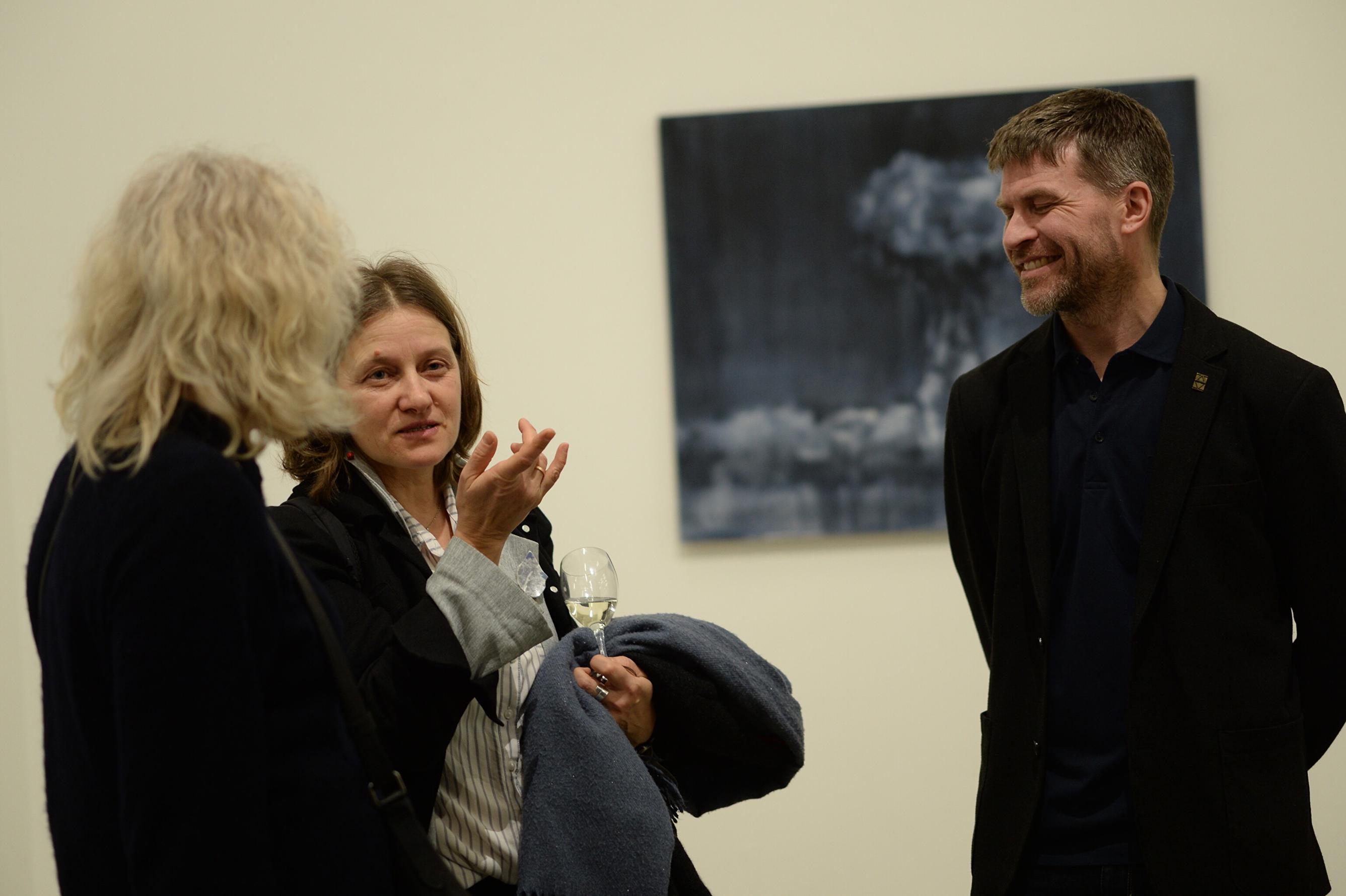
International ecocritical art exhibition opens at ARS Art Campus
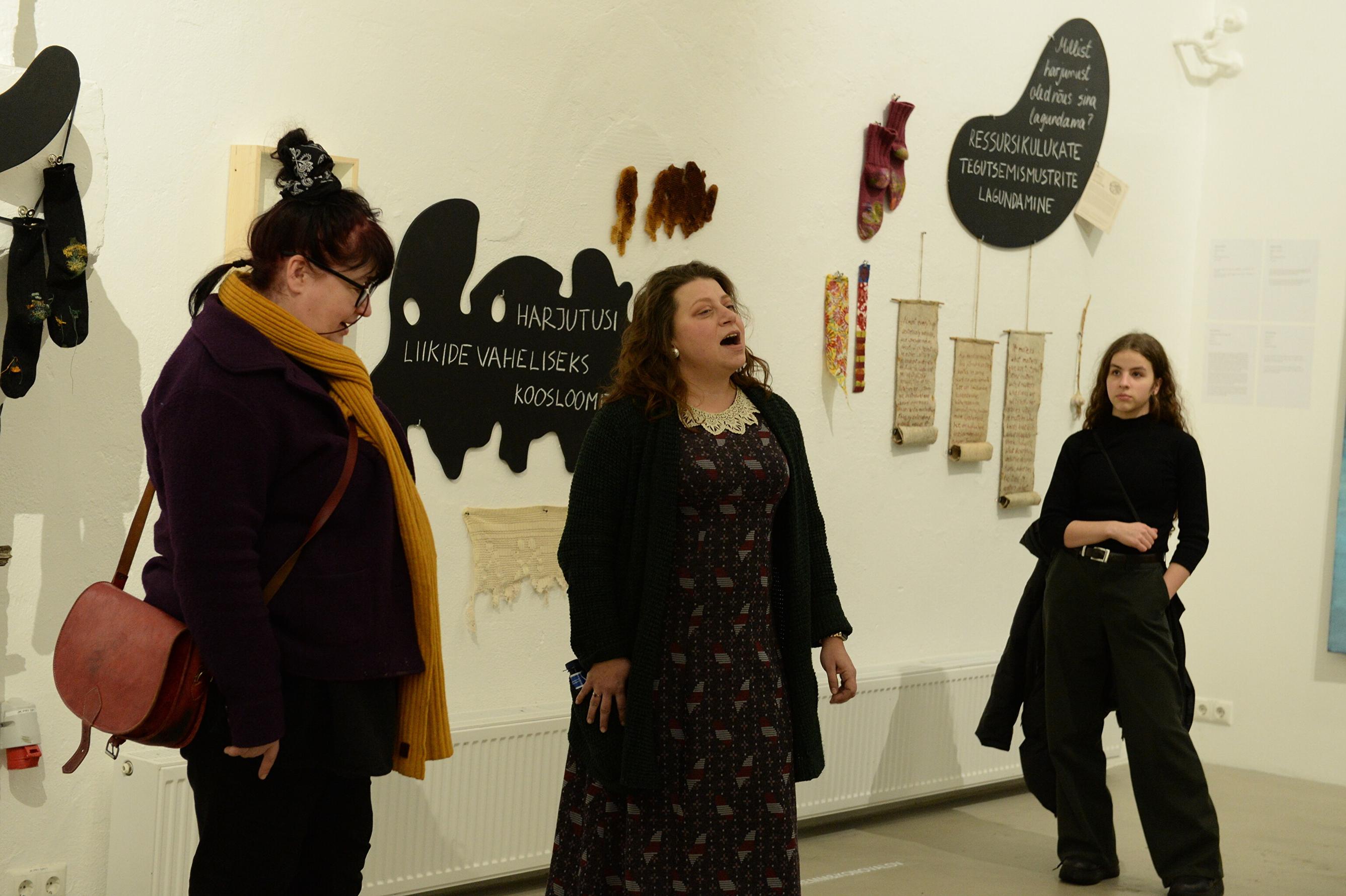
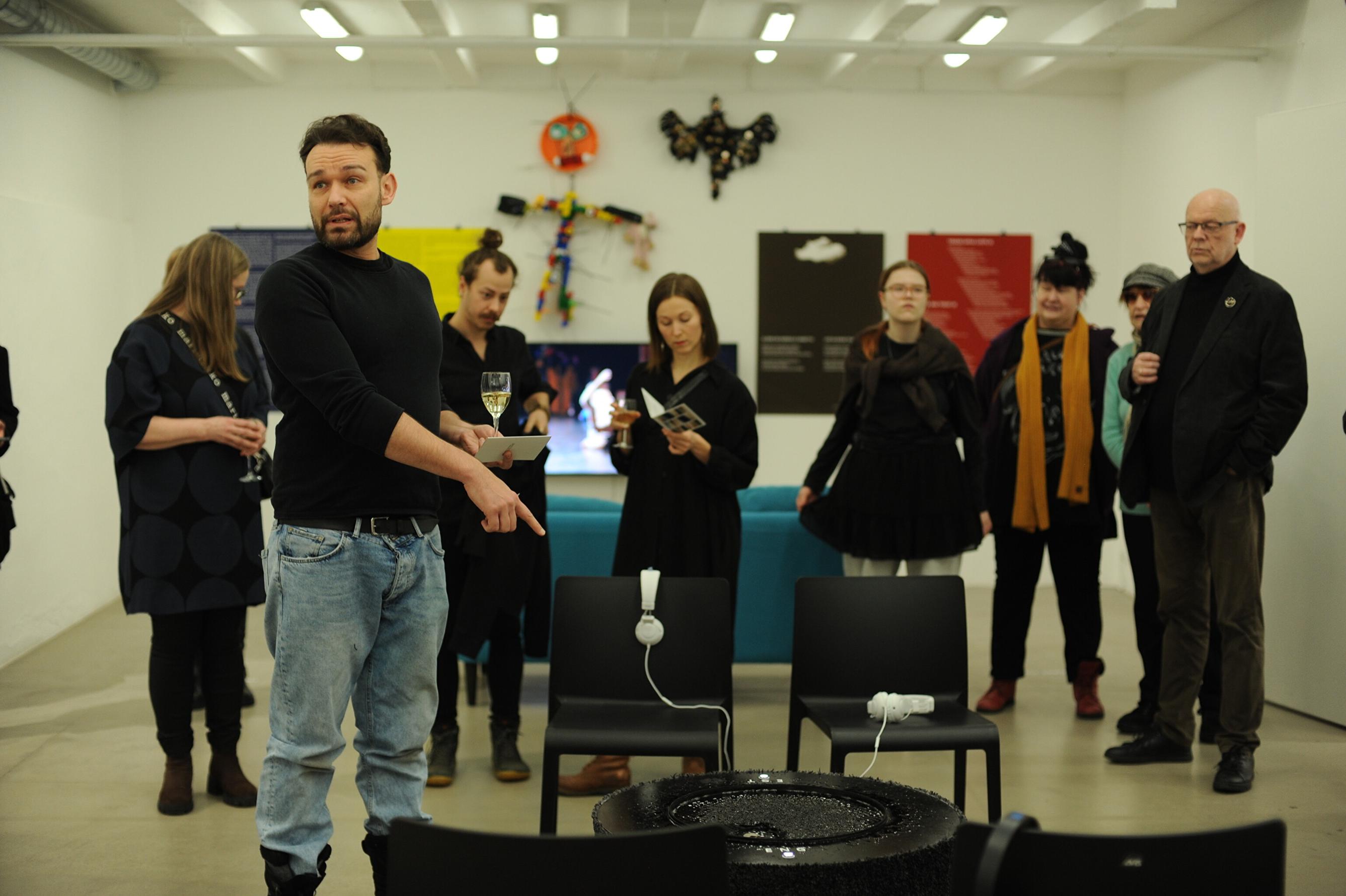
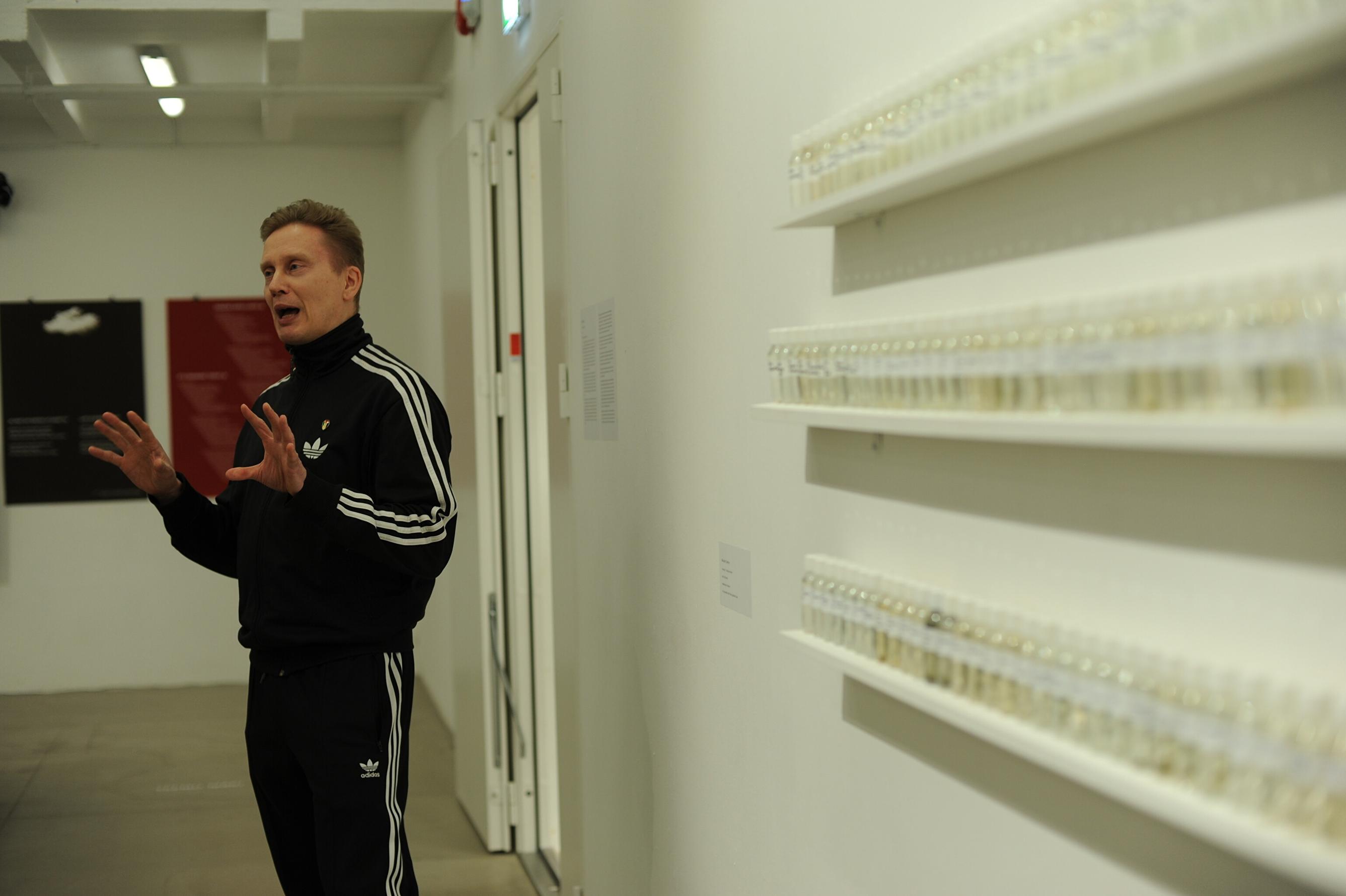
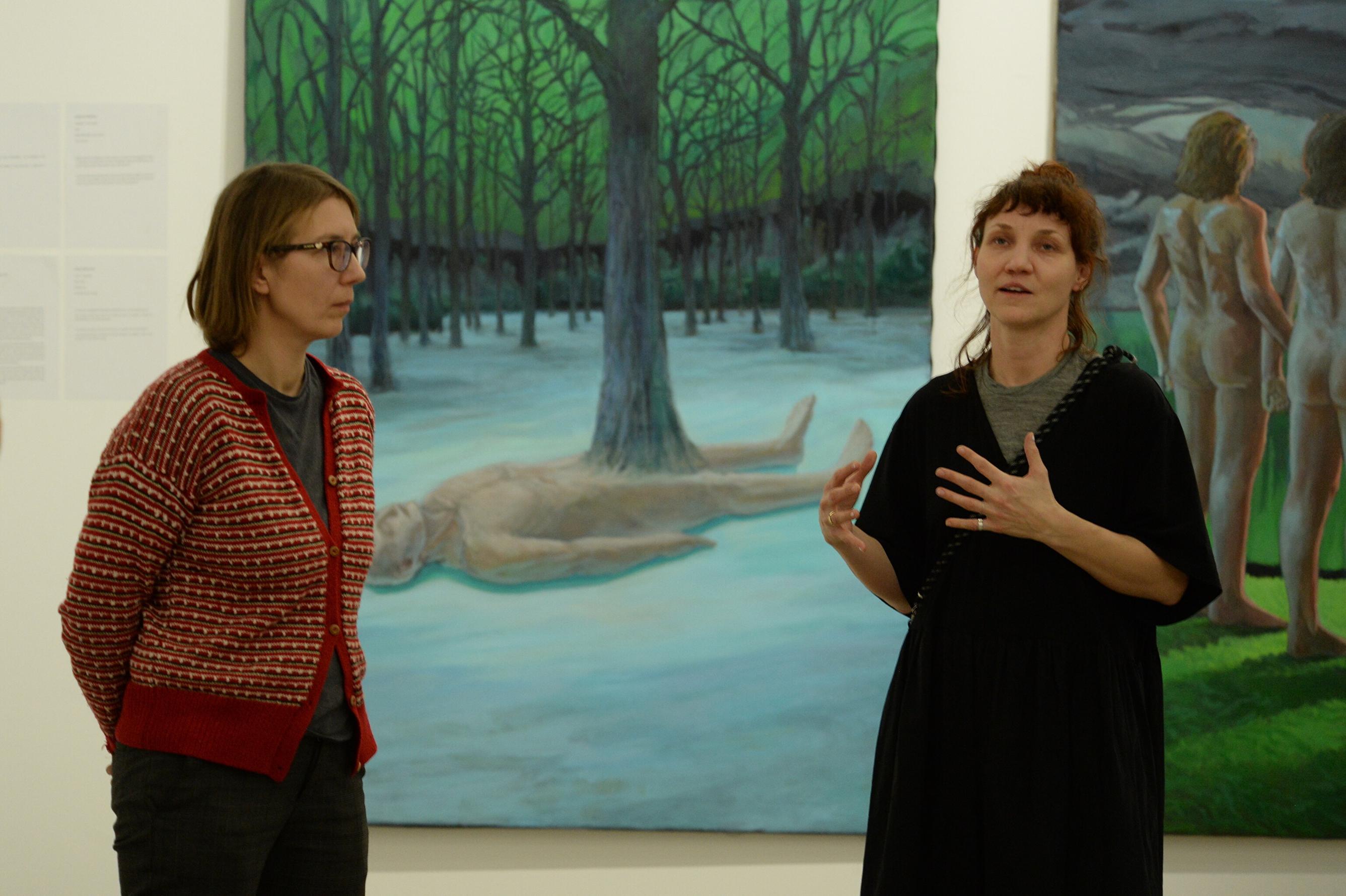
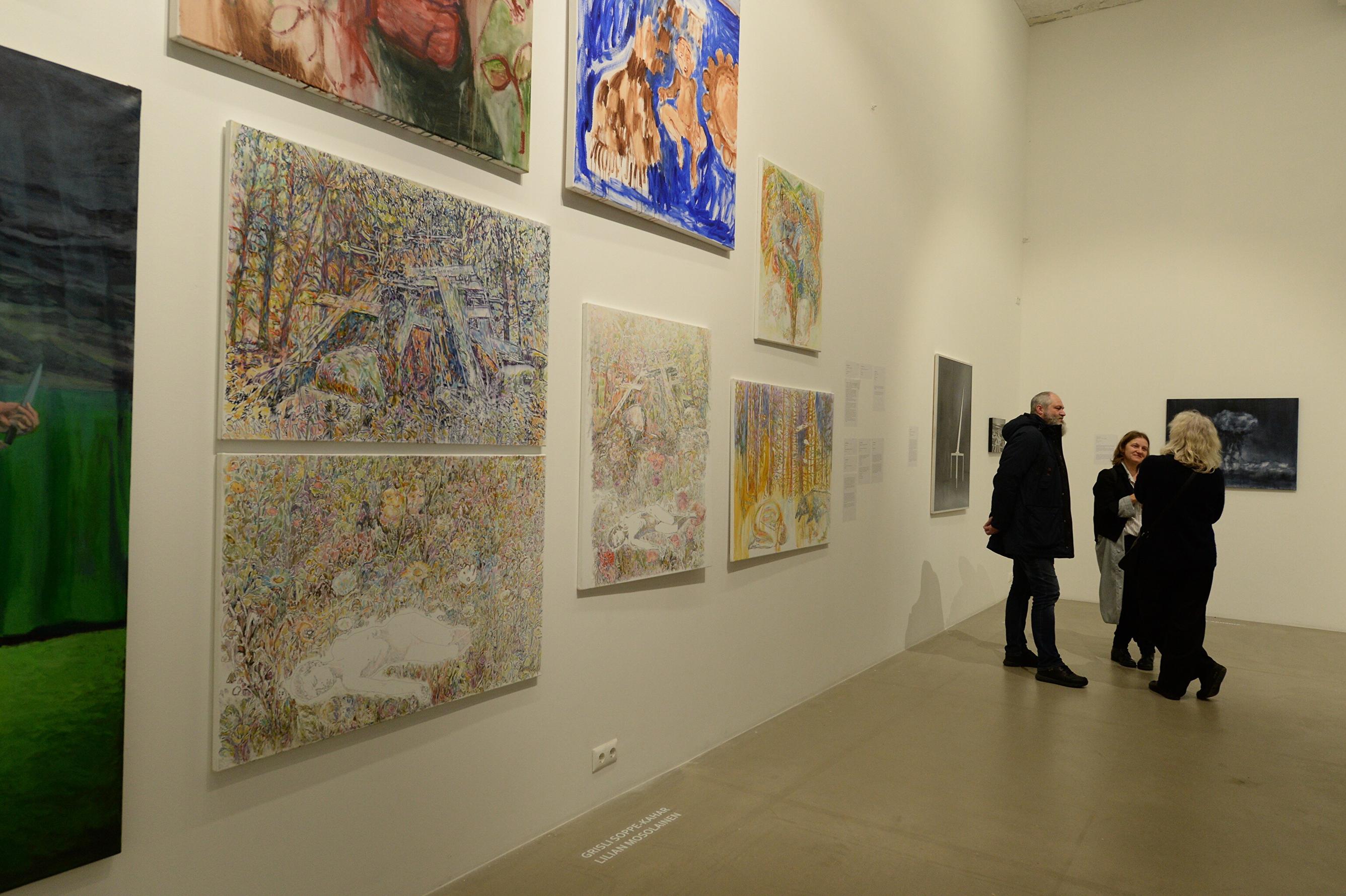
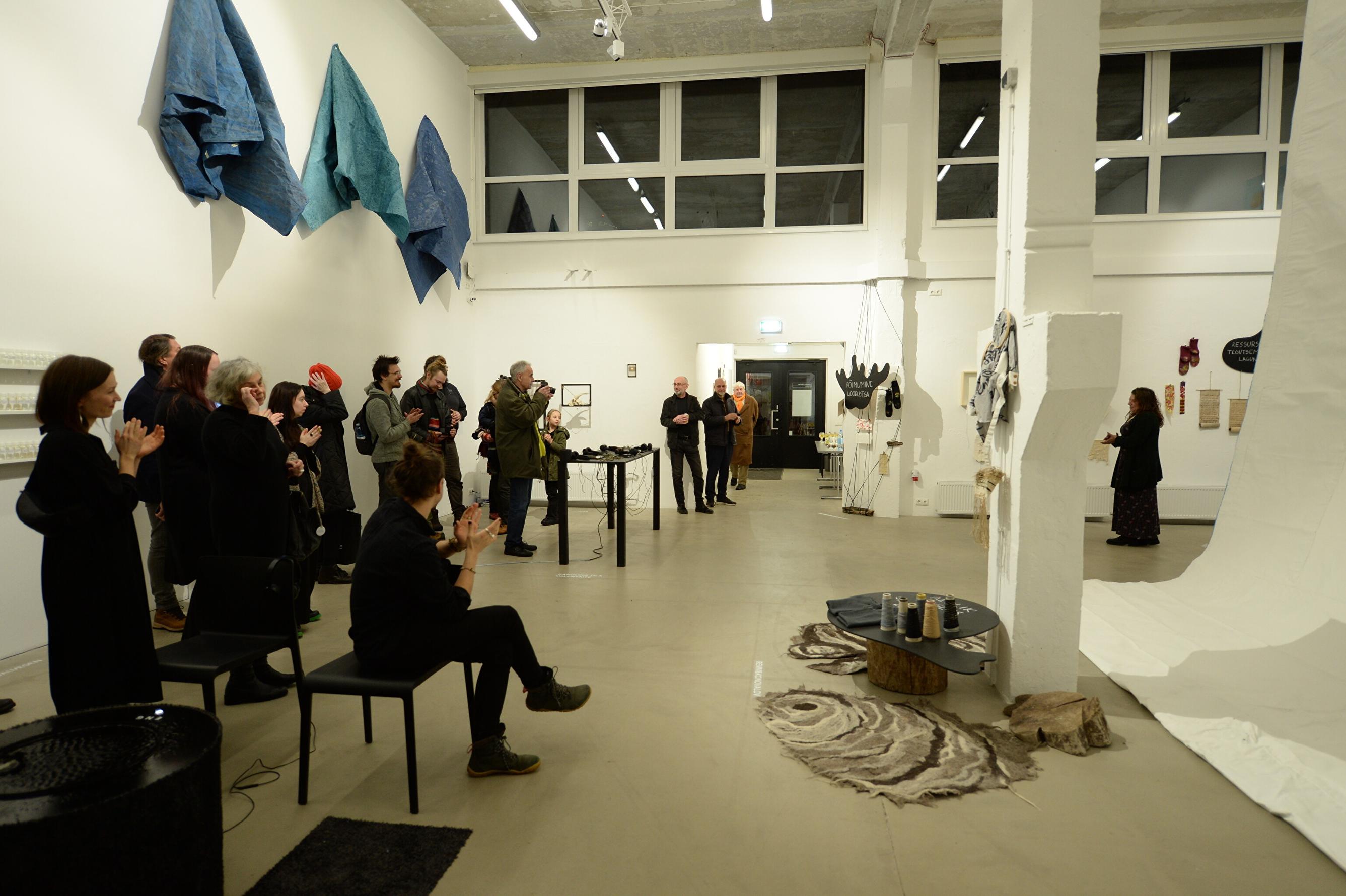
The Estonian Painters’ Union, in collaboration with the Helsinki Artists’ Union and Gallery Arka (Lithuania), opened the exhibition “Below the Surface. Environmental Ideologies” on January 15th in the ARS project space.
This is the third exhibition of the FinBalt collaboration project launched in 2023. The concept of the exhibition includes humans as an equal object among other factors in the examination of environmental issues. The exhibition examines today’s thought stories and their fields of influence as factors shaping the environment: what are the ideas, understandings and commonly understood perceptions that humanity takes into account in relation to the living environment today, what does it believe in and what knowledge does it want to put into practice now or in the future. The exhibition examines how today’s eco-critical artist responds to a complicated living environment damaged by past ways of thinking, and what are the messages and practices of today’s environmentally critical art.
The Lithuanian exhibition is represented by works that reveal humanity’s complex and changing active relationship with nature. The Finnish selection highlights the enormous waste problem of our time, while simultaneously offering possibilities of hope that always seem paradoxical. The Estonian exhibition focuses on observing the intuitive and analytical possibilities of human consciousness in the context of a general environmental crisis.
“The sea, nature and geopolitics that unite Estonia, Finland and Lithuania are significant foundations that provide a good reason for international artistic cooperation: the search for and publication of poetic-analytical formulations concerning the living environment,” commented curator Tiiu Rebane on the exhibition.
 JAAKKO AUTIO – MEDIA ARTIST